Saleh Ramezani, PhD
Houston, TX
Saleh Ramezani is the founder of Better Science and a researcher trained in medical physics. He believes that science literacy is crucial for navigating today’s science-driven world.
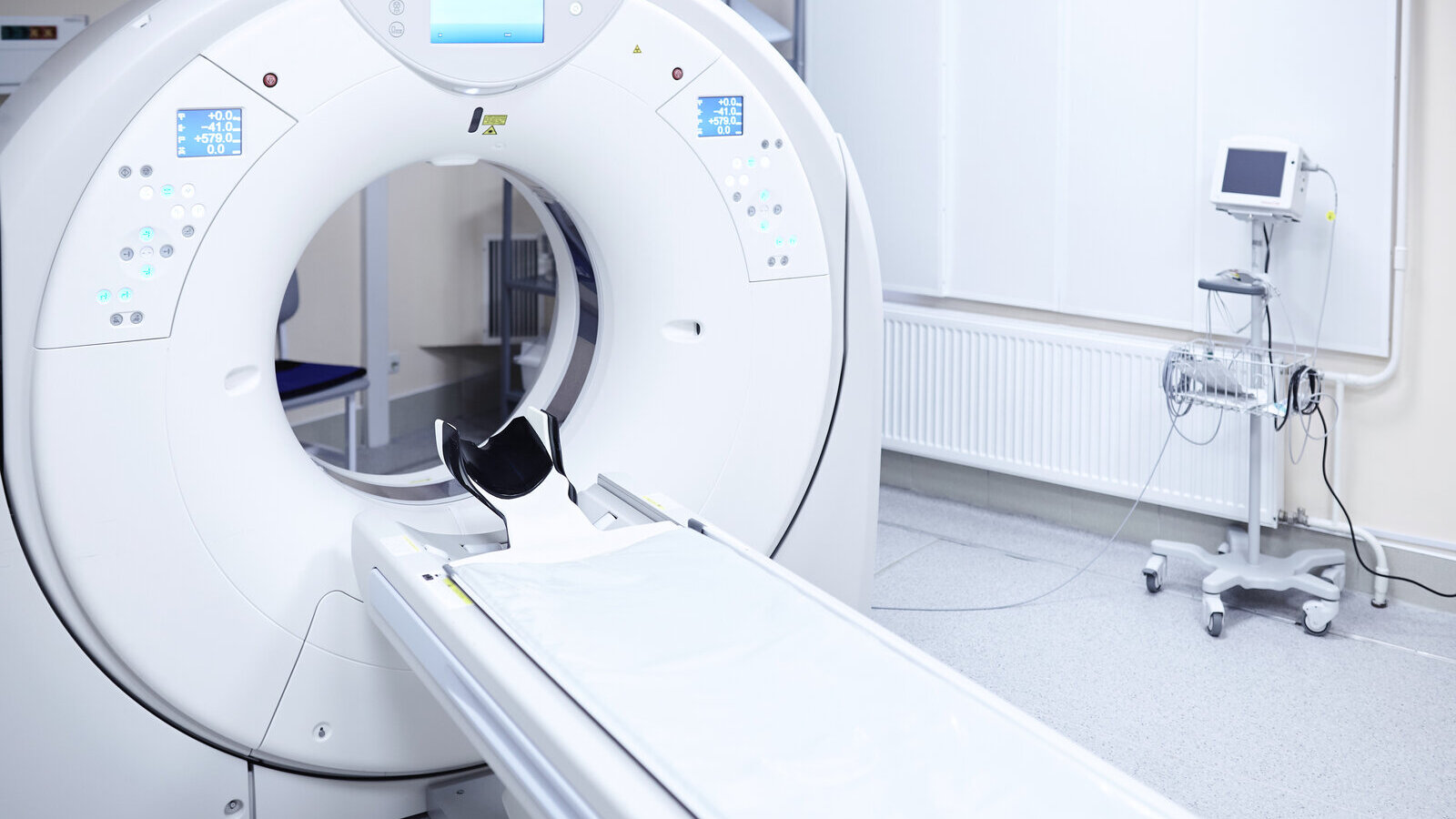
A study in Science tested one AI model on 146 kinds of findings in abdominal CT scans. Radiologists who used it caught about 10 more real findings out of every 100, with a small rise in false alarms. Here is what the test showed, and what it did not.
Saleh Ramezani, PhDOctober 2, 2026
In a new Lancet lecture, a cancer researcher argues that screening should match each person's risk. I agree, as long as it also means doing less for people at low risk.
Saleh Ramezani, PhDSeptember 25, 2026
An AI system wrote a paper that cleared reviewers at an ICLR workshop. It is a real milestone, and an honest stress test of peer review itself.
Saleh Ramezani, PhDAugust 7, 2026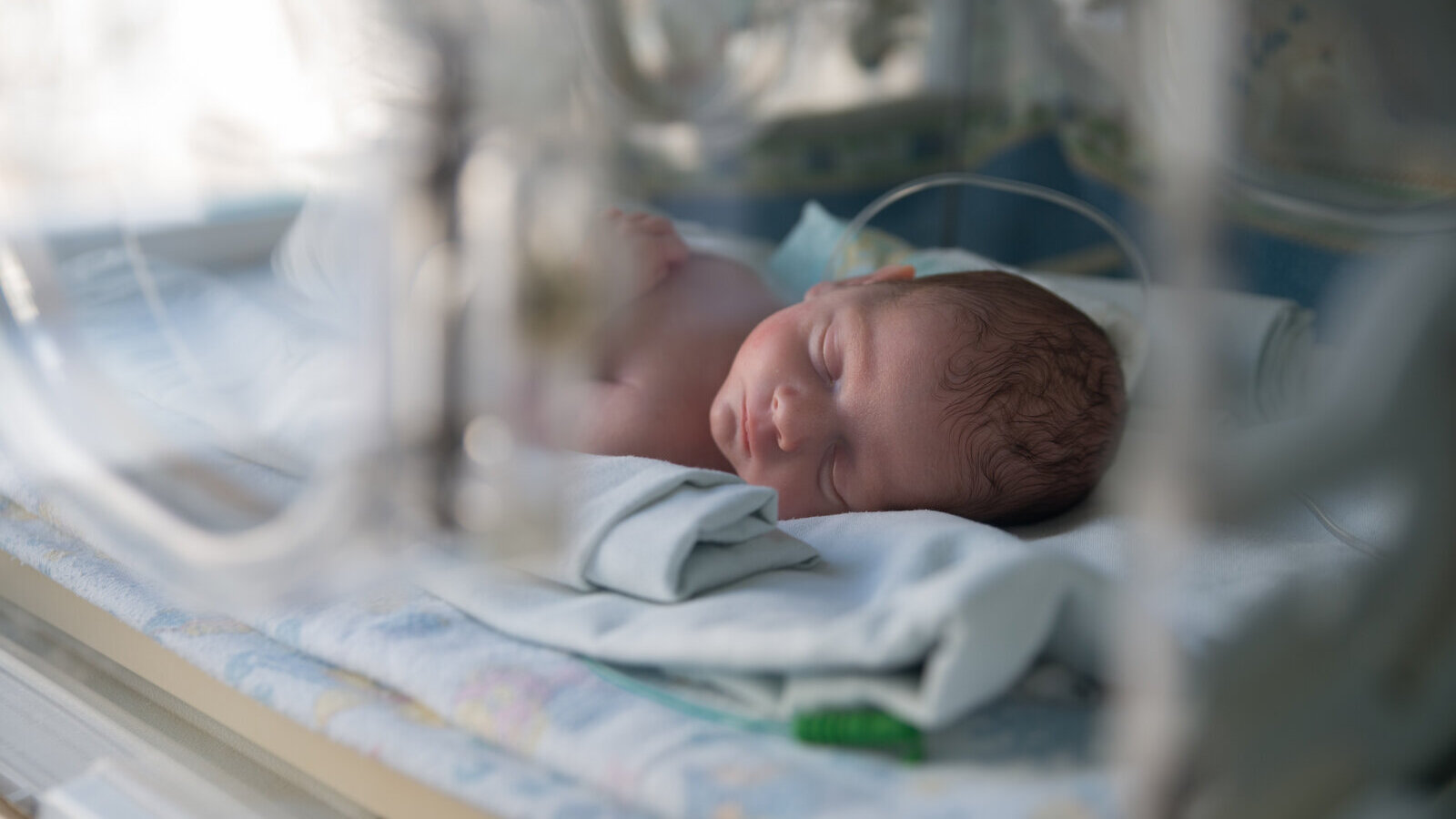
Doctors in Philadelphia designed a gene-editing drug for a single infant in about six months. The early results are real, but they come from one child and a few weeks of follow-up.
Saleh Ramezani, PhDJune 18, 2026
A January 2026 Nature study links AI use to bigger scientific careers and a narrower spread of research topics. Both can be true at once, and that is the problem.
Saleh Ramezani, PhDApril 27, 2026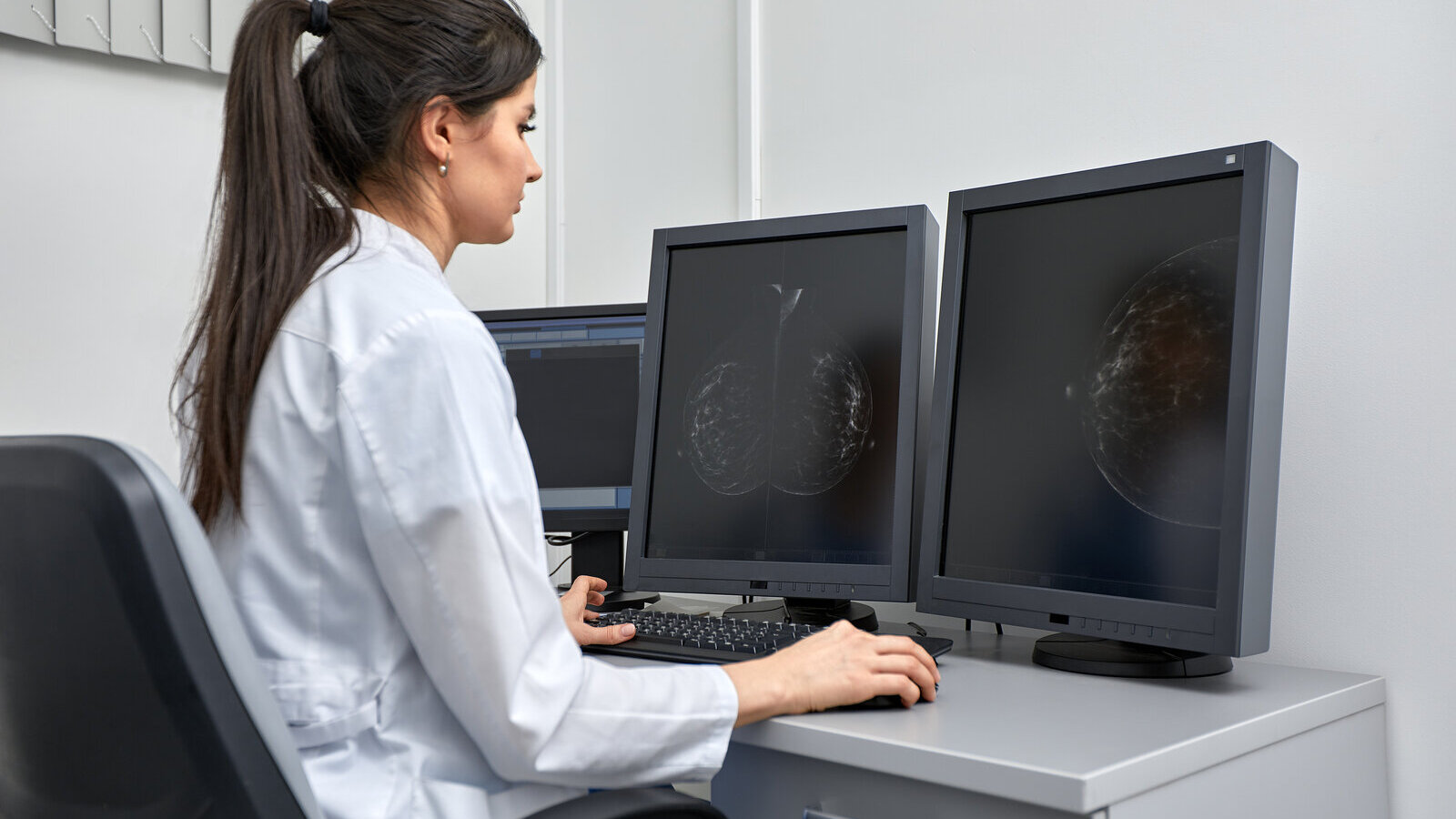
A Swedish screening trial randomized more than 100,000 women to test AI in real mammography. That, not another benchmark score, is what earns trust.
Saleh Ramezani, PhDMarch 6, 2026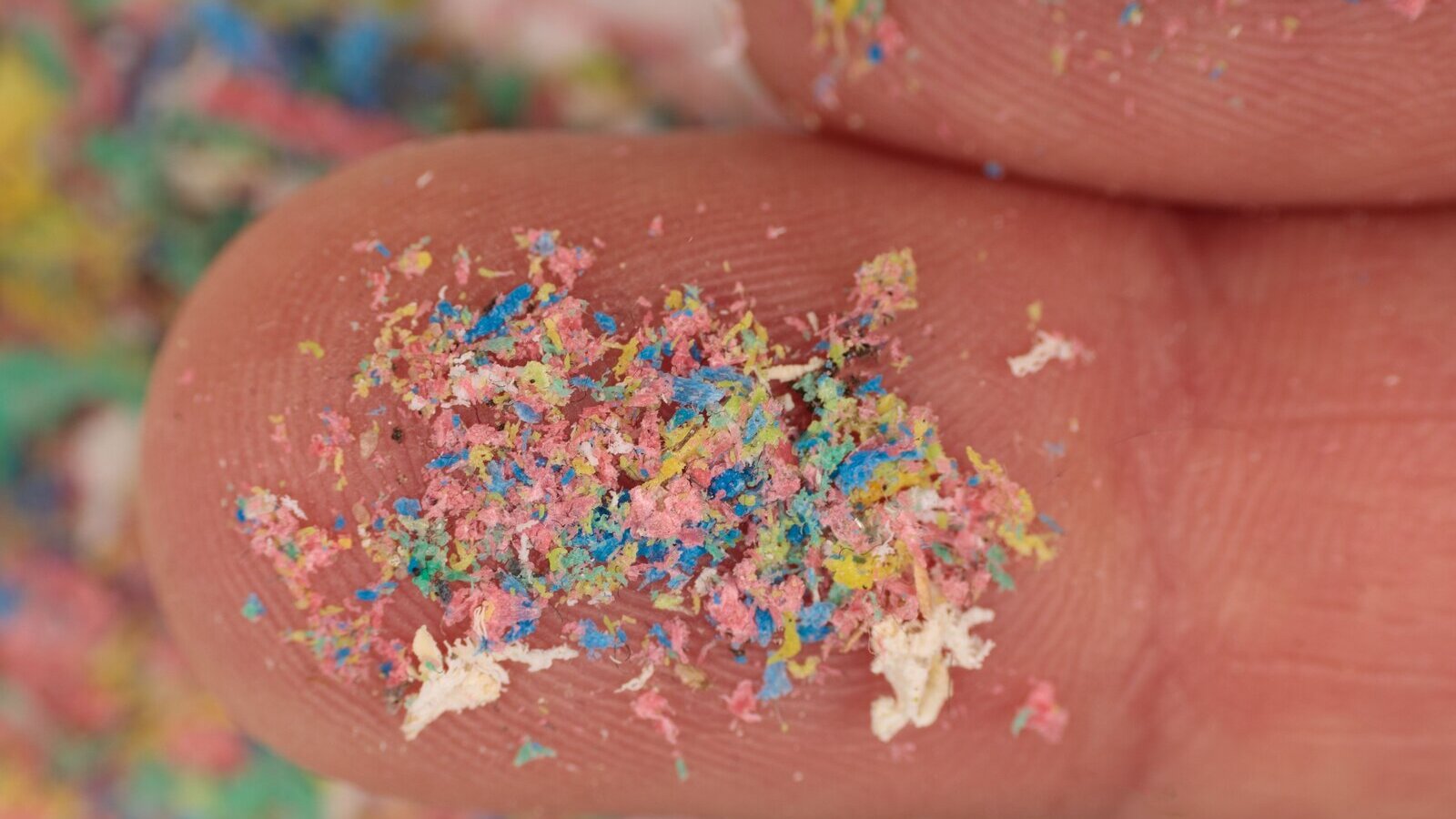
A 2025 study reported tiny bits of plastic in human brains, with more in people who had dementia. The finding is real news, but it is not proof of harm.
Saleh Ramezani, PhDFebruary 9, 2026
A small MIT study found that people who let ChatGPT write their essays remembered little of them. That is a real cost for learning, and it is not brain damage.
Saleh Ramezani, PhDJanuary 30, 2026
A large US trial found that close monitoring was not worse than usual surgical care for low-risk DCIS over about two years. Here is who it applies to, what counts as not worse, and why two years is only a start.
Saleh Ramezani, PhDJanuary 14, 2026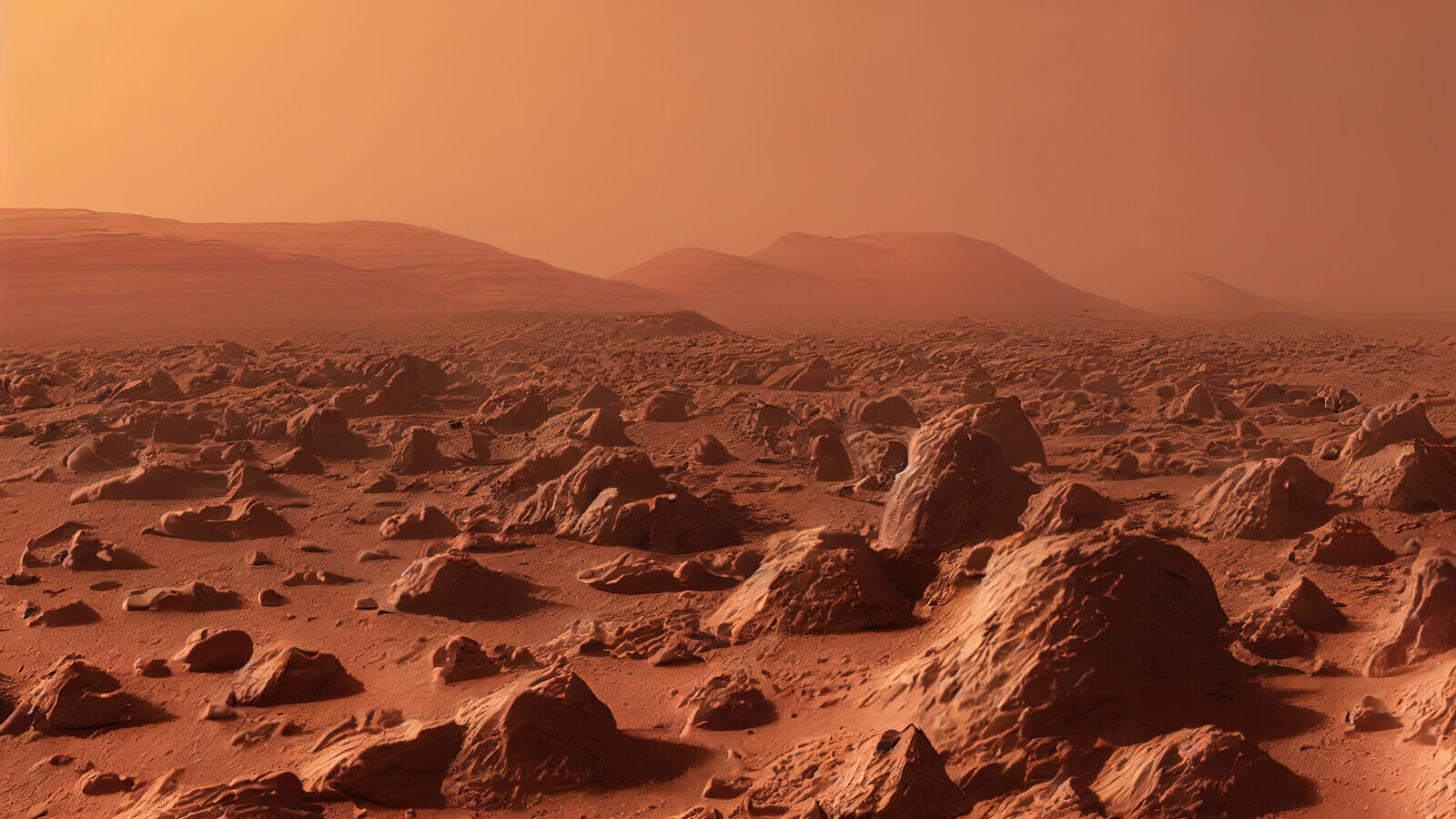
NASA's Perseverance rover found a Martian rock with spots that ancient microbes could have made. The chemistry is exciting, but the team says labs on Earth offer the best chance to settle it.
Saleh Ramezani, PhDDecember 3, 2025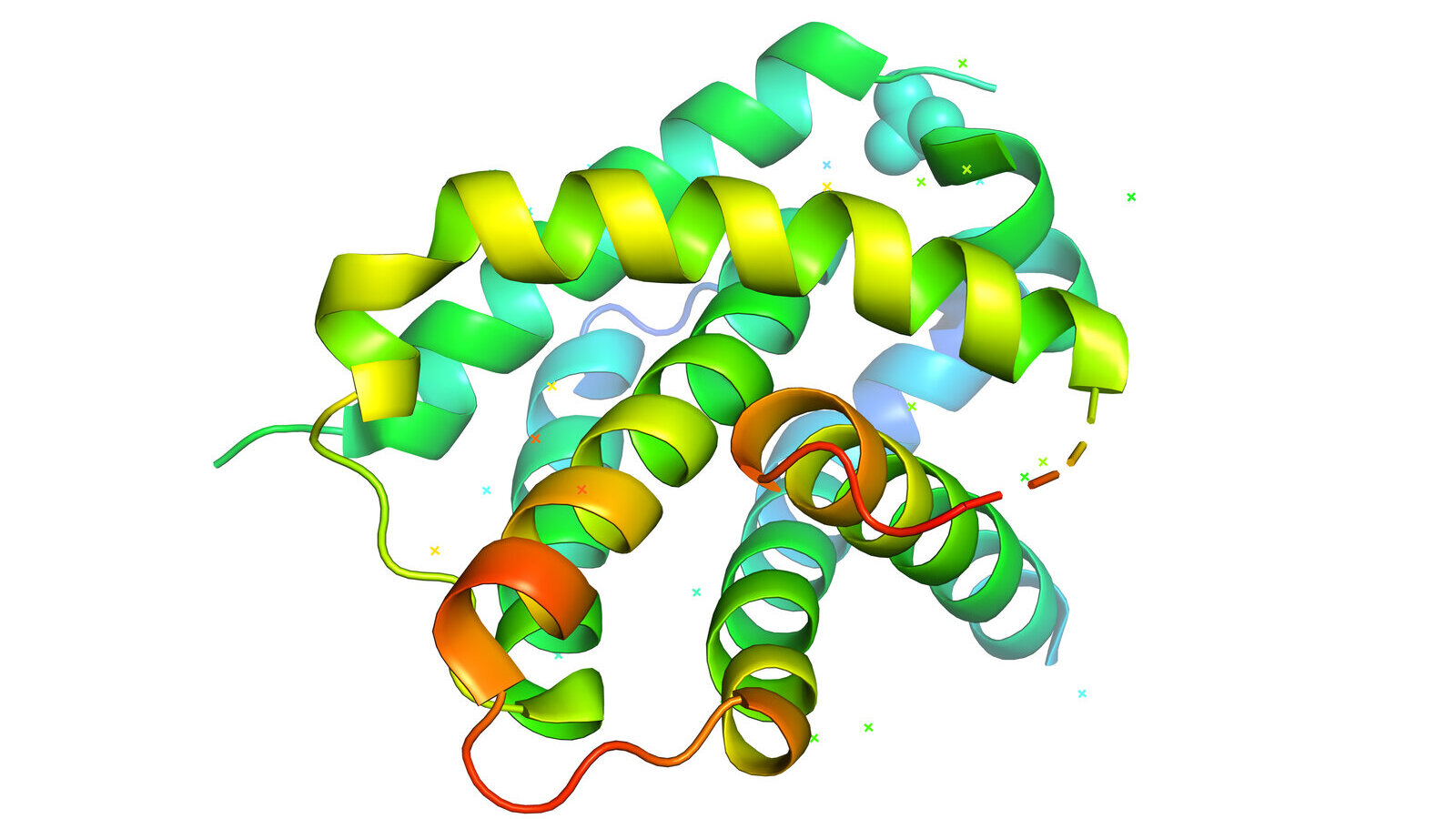
AlphaFold 3 predicts how proteins, DNA, RNA and drug-like molecules fit together. That is a real advance. A predicted shape is still a starting point, not a finding.
Saleh Ramezani, PhDNovember 19, 2025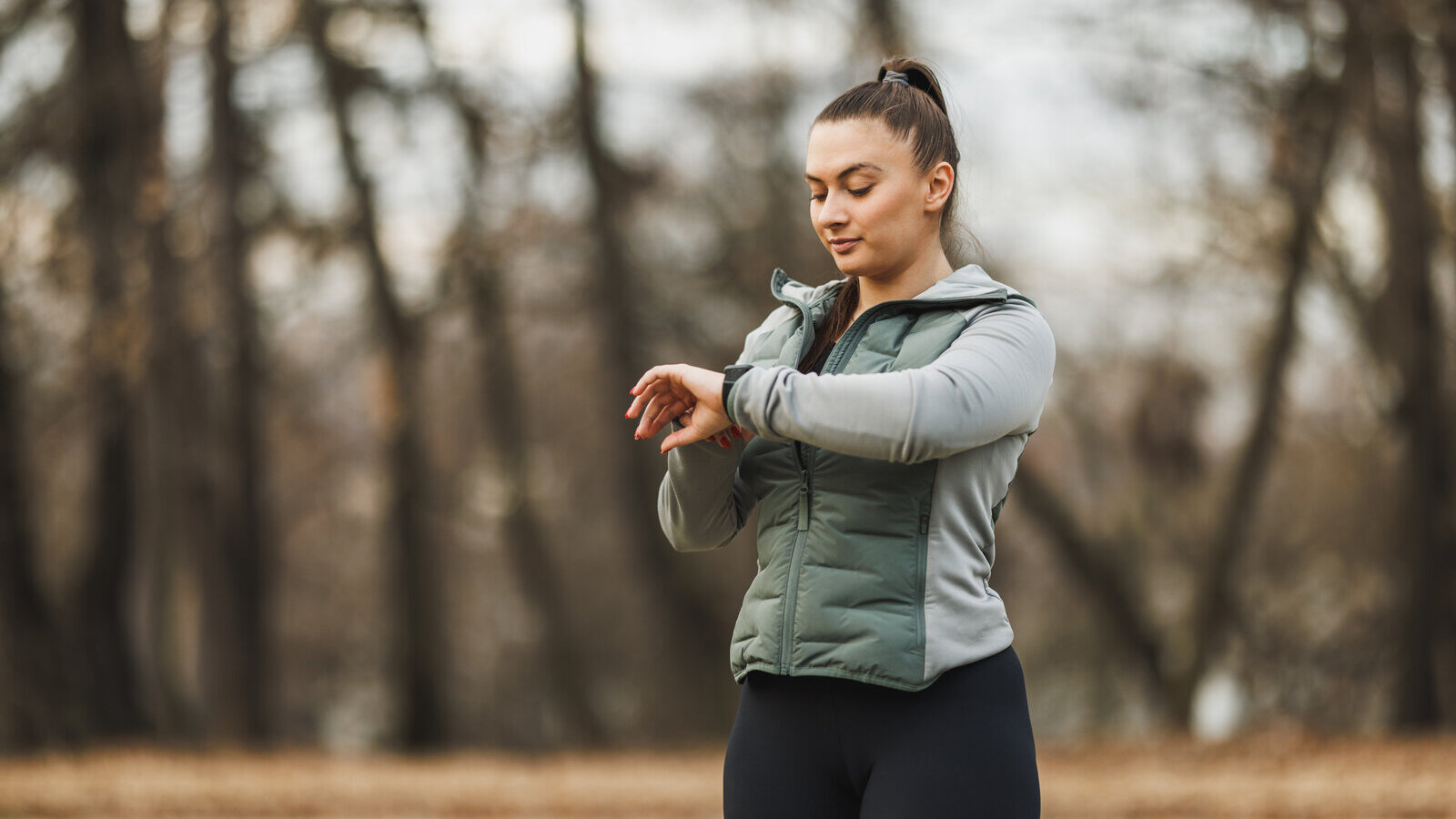
A large 2025 review linked about 7,000 steps a day with lower health risks. The finding is useful, but it is not a new magic number.
Saleh Ramezani, PhDOctober 13, 2025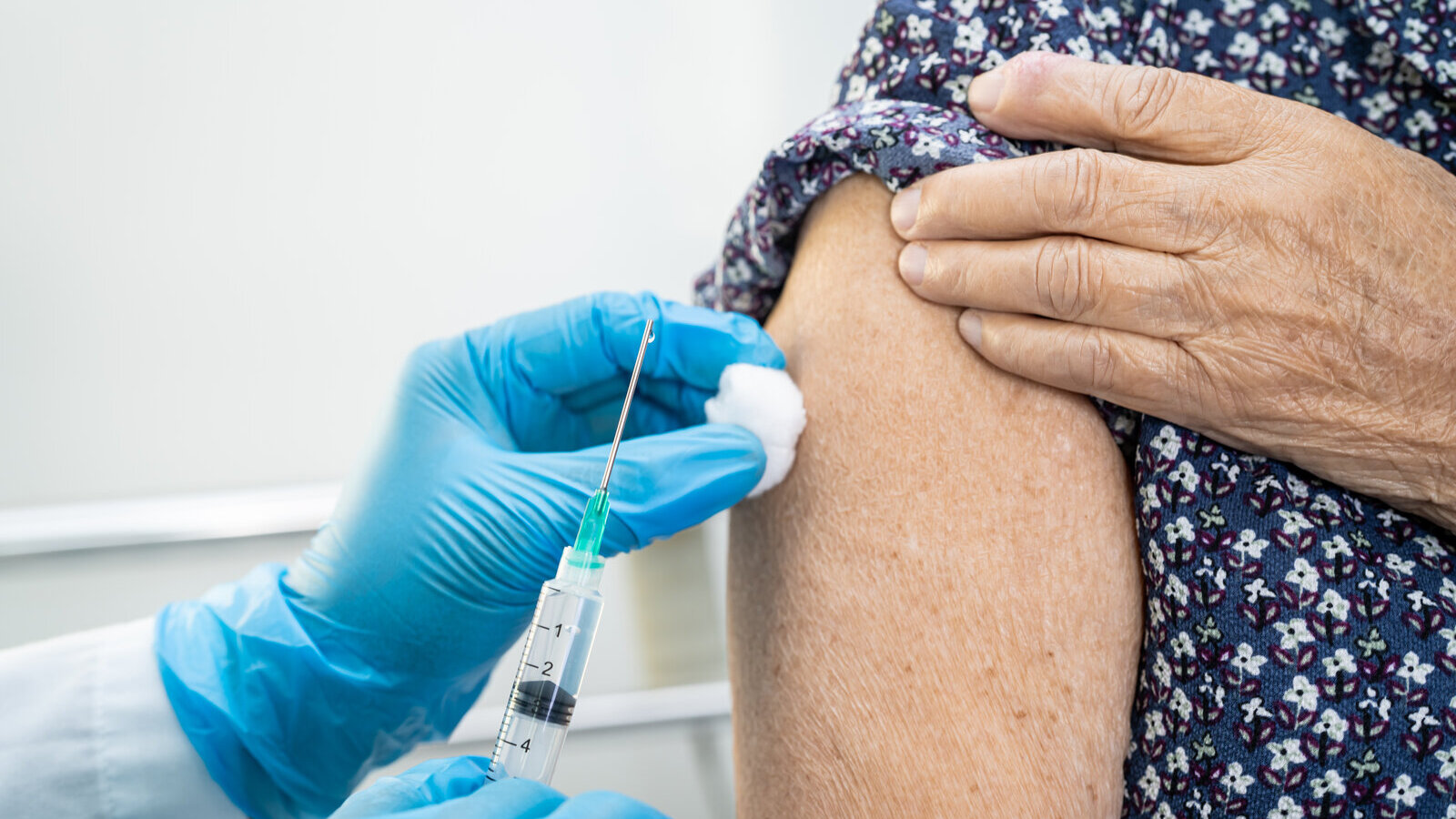
A birthday cutoff in Wales created an unusual test of the shingles vaccine. People who could get the shot were diagnosed with dementia less often. Here is why this study is stronger than most, and where it still falls short.
Saleh Ramezani, PhDSeptember 4, 2025
A 2024 checklist for medical imaging AI quietly asks the questions a headline AUC skips: who was tested, where, how trustworthy the numbers are, and who benefits.
Saleh Ramezani, PhDAugust 25, 2025
A large 2025 trial randomly assigned colon cancer survivors to an exercise program with a coach. Fewer of them had their cancer return or died. Here is what the numbers mean, and who they apply to.
Saleh Ramezani, PhDAugust 7, 2025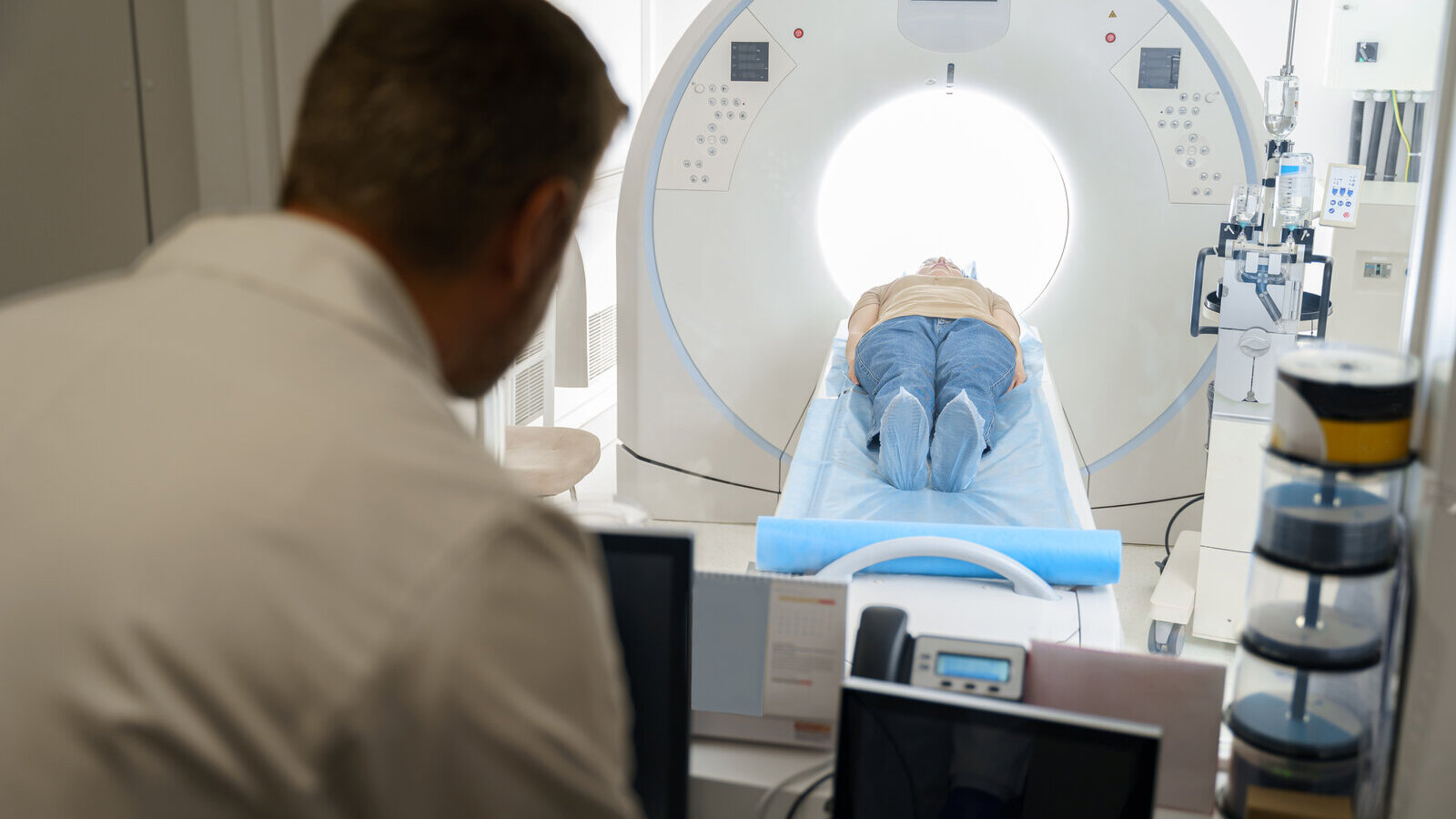
A CT scan gives more radiation than a regular X-ray. How much more depends on the scan and the person, and the risk is small but uncertain.
Saleh Ramezani, PhDJuly 24, 2025
A 2024 Nature Perspective argues that AI can make scientists feel they understand more than they do. The fix starts with knowing the assumptions behind a fluent answer.
Saleh Ramezani, PhDMay 27, 2025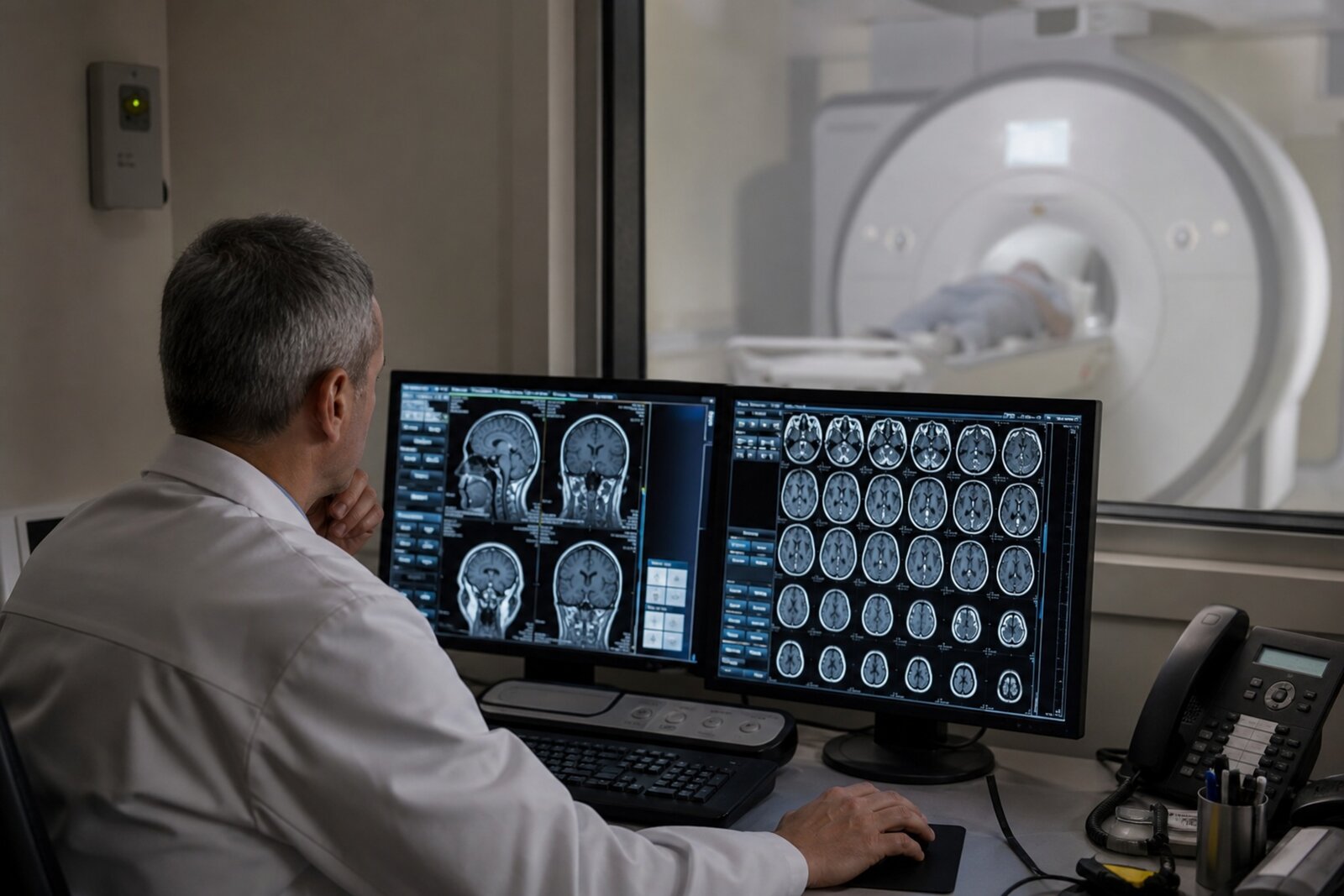
When one patient's scans end up in both training and test data, a medical imaging model can look far better than it is, and nobody has to cheat.
Saleh Ramezani, PhDApril 4, 2025
A December 2022 Liver-Chip study reported strong results on one defined job. The useful question is what a model is validated for, not whether it replaces animals.
Saleh Ramezani, PhDMarch 5, 2025
Nature's 2023 postdoc survey found more optimism than in 2020, alongside familiar pressures. I think the healthiest reading is that a science career has many homes.
Saleh Ramezani, PhDJanuary 31, 2025
Some cancers found by screening would never have made a person sick. This is called overdiagnosis. It is real, it is hard to see, and it does not mean screening is useless.
Saleh Ramezani, PhDDecember 17, 2024
A 2024 study estimated how much AI conference review text was reshaped by ChatGPT. The real question is where tidying words ends and handing off judgment begins.
Saleh Ramezani, PhDJune 24, 2024
An April 2024 update to a reporting guideline asks prediction model papers to show their work. A strong result means little when readers cannot see how it was made.
Saleh Ramezani, PhDMay 17, 2024
A journal openly invited clinical trials that missed their main goal. That is welcome, but only a well designed "no" tells anyone something useful.
Saleh Ramezani, PhDApril 12, 2024
A very good test can still be wrong most of the times it says "positive." The reason is simple arithmetic about how rare a disease is.
Saleh Ramezani, PhDMarch 7, 2024
In 2023 Crossref opened up the Retraction Watch database, creating what it called the largest open database of retractions. A retraction only works if the warning follows the paper to where people read and cite it.
Saleh Ramezani, PhDJanuary 9, 2024
Some journals charge scientists to publish but skip the expert checks they promise. Here is how they operate, how big the problem is, and how to tell a trusted journal from a fake one.
Saleh Ramezani, PhDNovember 24, 2023
A claim is scientific when a fair test could prove it wrong and its supporters accept the result. This post looks at how astrology and homeopathy did when they were tested, gives a short checklist, and explains where the line gets blurry.
Saleh Ramezani, PhDOctober 16, 2023
Science gets things wrong. What makes it different is that it has ways to find its own mistakes. Here is how that works, with real cases, and where it still falls short.
Saleh Ramezani, PhDSeptember 14, 2023
Can poor sleep in middle age lead to dementia? A landmark 30-year study suggests a link between short sleep and increased risk.
Saleh Ramezani, PhDJune 27, 2021
