
Learn
The science behind the headlines
Evidence-based articles on medicine, AI, how research works and how science gets published. Every factual claim links to its source.
Search and filter

A large US trial found that close monitoring was not worse than usual surgical care for low-risk DCIS over about two years. Here is who it applies to, what counts as not worse, and why two years is only a start.
 Saleh Ramezani, PhDJanuary 14, 2026
NASA's Perseverance rover found a Martian rock with spots that ancient microbes could have made. The chemistry is exciting, but the team says labs on Earth offer the best chance to settle it.
Saleh Ramezani, PhDDecember 3, 2025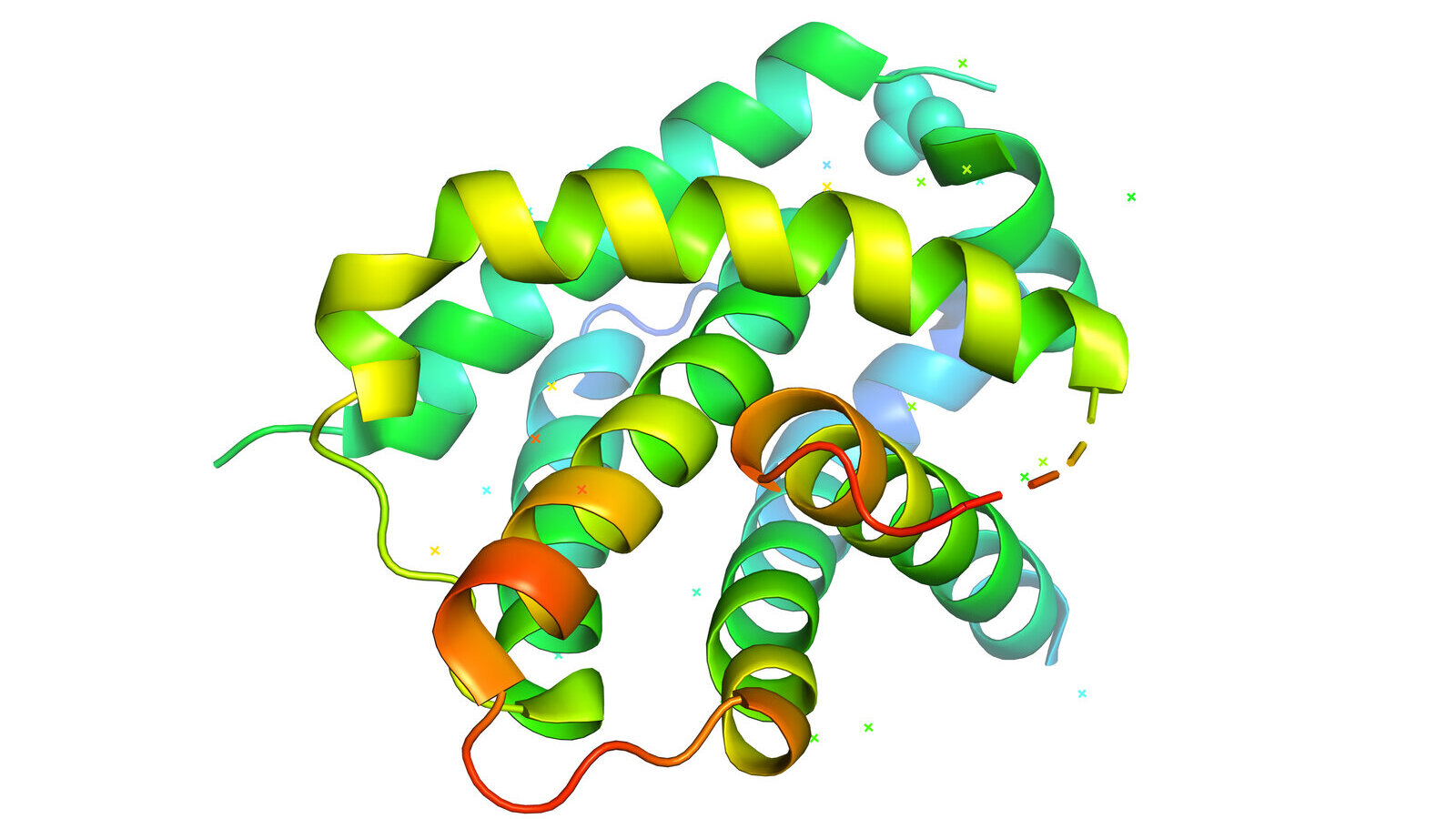
AlphaFold 3 predicts how proteins, DNA, RNA and drug-like molecules fit together. That is a real advance. A predicted shape is still a starting point, not a finding.
Saleh Ramezani, PhDNovember 19, 2025
A 2024 study found that AI-written lay summaries made scientists look more trustworthy in one experiment and helped readers follow the science in another. Clear writing still has to be checked for accuracy.
Saleh Ramezani, PhDOctober 24, 2025
A large 2025 review linked about 7,000 steps a day with lower health risks. The finding is useful, but it is not a new magic number.
Saleh Ramezani, PhDOctober 13, 2025
A large 2024 study found expert reviewers rated AI research ideas as more novel than human ones. Novel is a good start, but it is not the same as worth testing.
Saleh Ramezani, PhDSeptember 16, 2025
A birthday cutoff in Wales created an unusual test of the shingles vaccine. People who could get the shot were diagnosed with dementia less often. Here is why this study is stronger than most, and where it still falls short.
Saleh Ramezani, PhDSeptember 4, 2025
A 2024 checklist for medical imaging AI quietly asks the questions a headline AUC skips: who was tested, where, how trustworthy the numbers are, and who benefits.
Saleh Ramezani, PhDAugust 25, 2025
A large 2025 trial randomly assigned colon cancer survivors to an exercise program with a coach. Fewer of them had their cancer return or died. Here is what the numbers mean, and who they apply to.
Saleh Ramezani, PhDAugust 7, 2025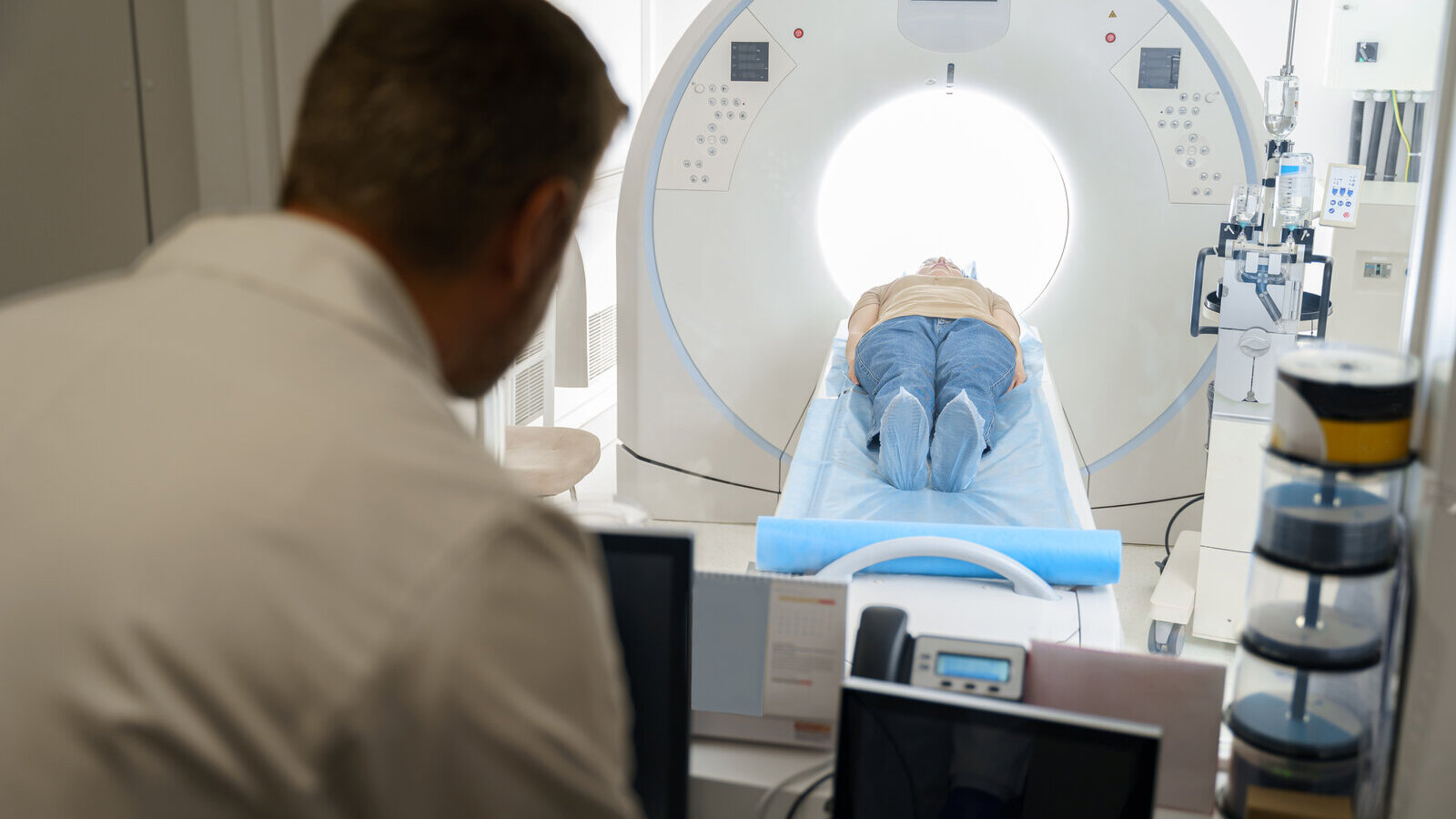
A CT scan gives more radiation than a regular X-ray. How much more depends on the scan and the person, and the risk is small but uncertain.
Saleh Ramezani, PhDJuly 24, 2025
Seventy-three teams tested one hypothesis on the same data and reached opposite answers. The lesson is about method, not misconduct, and about making hidden choices visible.
Saleh Ramezani, PhDJuly 9, 2025
A 68-country survey published in January 2025 found trust in scientists moderately high on average. Where scientists scored lowest was listening, and that part is fixable.
Saleh Ramezani, PhDJune 20, 2025
