
Learn
The science behind the headlines
Evidence-based articles on medicine, AI, how research works and how science gets published. Every factual claim links to its source.
Search and filter

In a new Lancet lecture, a cancer researcher argues that screening should match each person's risk. I agree, as long as it also means doing less for people at low risk.
 Saleh Ramezani, PhDSeptember 25, 2026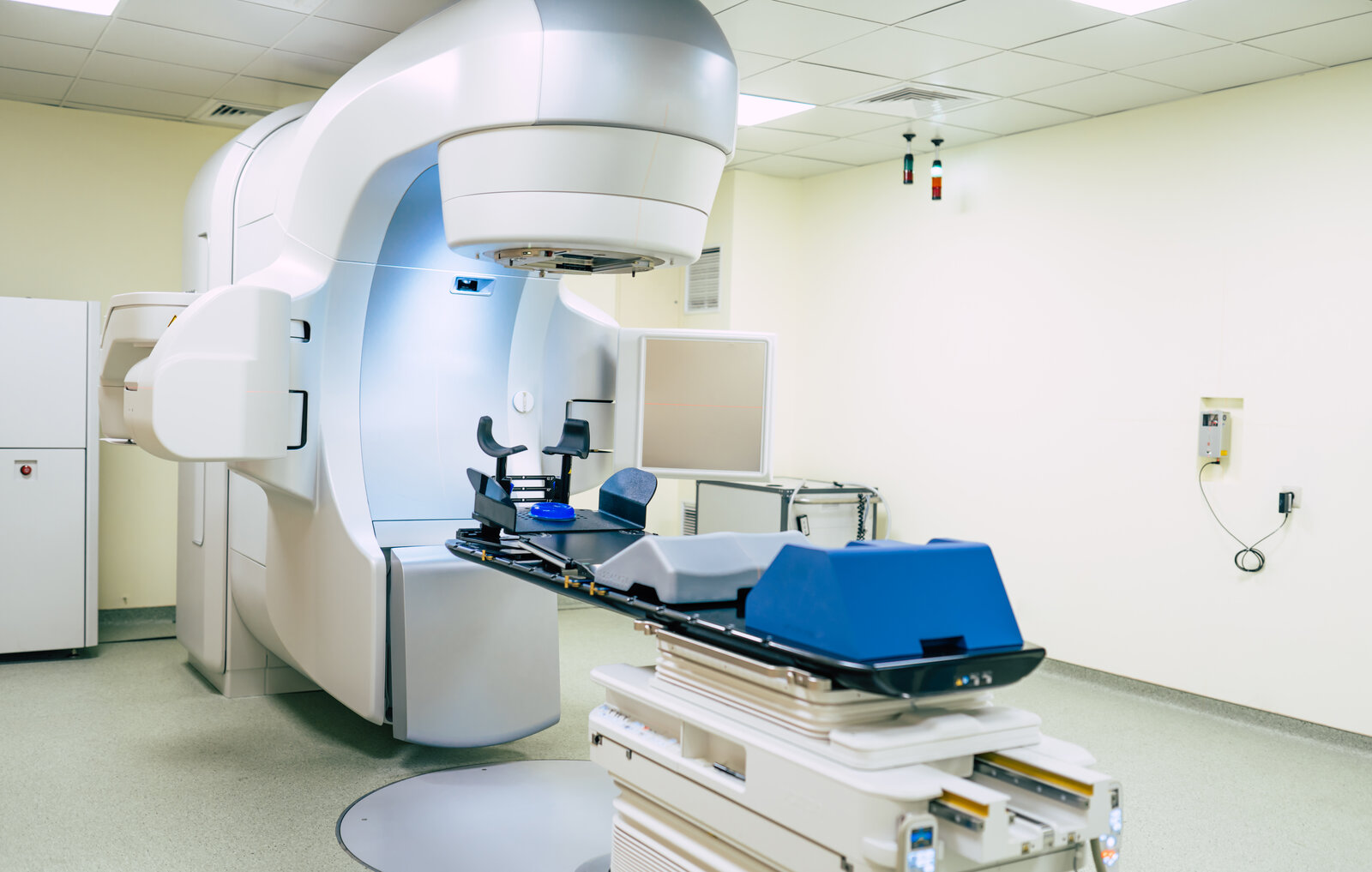
A 2025 consensus guideline asks for medical AI to be monitored for its whole working life. Radiation therapy machines have lived by that rule for decades.
Saleh Ramezani, PhDSeptember 12, 2026
An AI system wrote a paper that cleared reviewers at an ICLR workshop. It is a real milestone, and an honest stress test of peer review itself.
Saleh Ramezani, PhDAugust 7, 2026
In June 2026, bioRxiv's parent openRxiv began testing an interactive way to read preprints. It is an experiment, and I think it asks the right question.
Saleh Ramezani, PhDJuly 2, 2026
A 2023 survey put numbers on the extra hours, rejections and skipped conferences that come with doing science in a second language. Journals and conferences can shrink that cost.
Saleh Ramezani, PhDMay 22, 2026
A January 2026 Nature study links AI use to bigger scientific careers and a narrower spread of research topics. Both can be true at once, and that is the problem.
Saleh Ramezani, PhDApril 27, 2026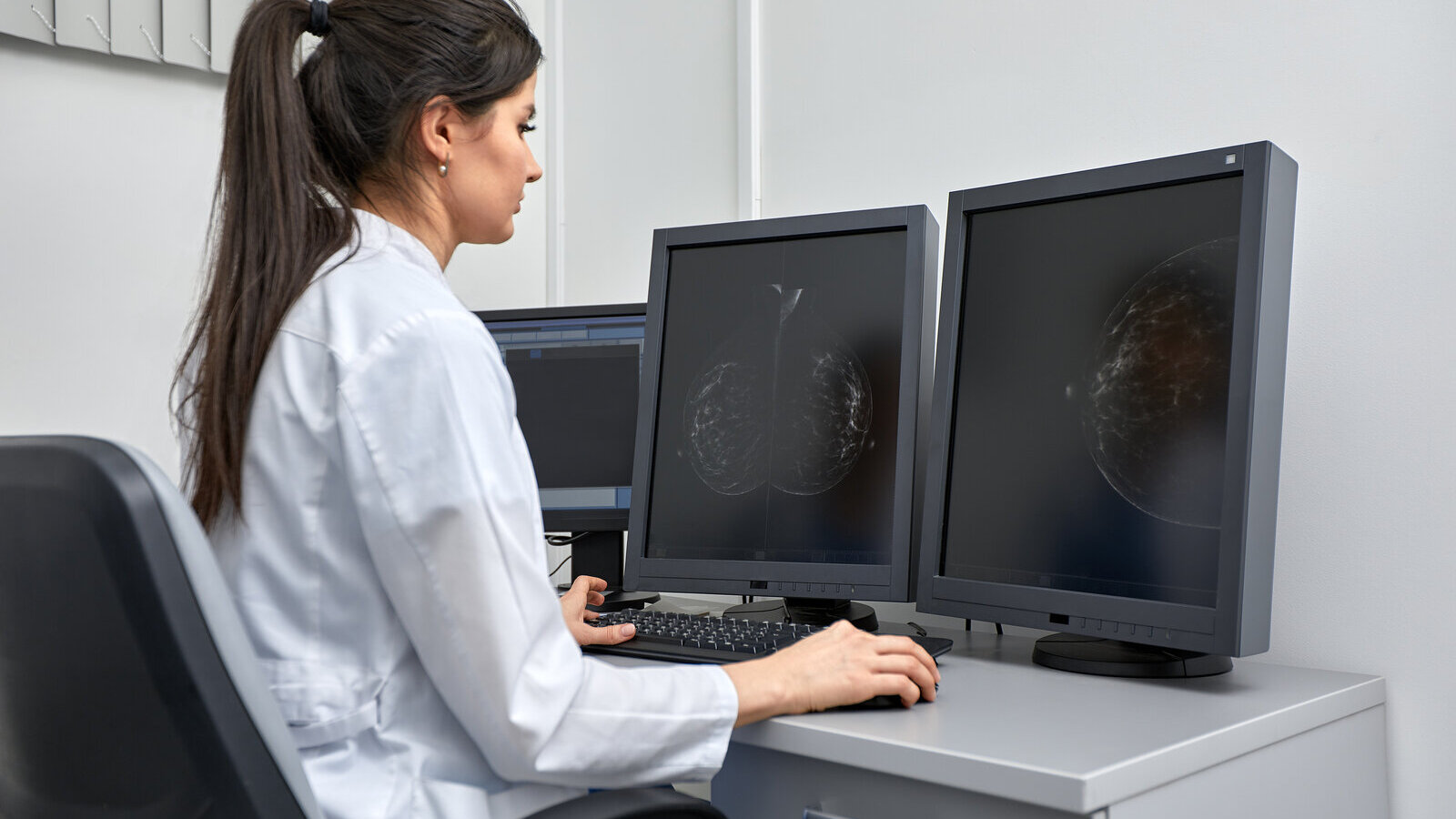
A Swedish screening trial randomized more than 100,000 women to test AI in real mammography. That, not another benchmark score, is what earns trust.
Saleh Ramezani, PhDMarch 6, 2026
In a 2025 experiment, Turkish high school students did far better on math practice with GPT-4. Those given a plain chatbot then did worse on their own. Tutor design made the difference.
Saleh Ramezani, PhDFebruary 26, 2026
A small MIT study found that people who let ChatGPT write their essays remembered little of them. That is a real cost for learning, and it is not brain damage.
Saleh Ramezani, PhDJanuary 30, 2026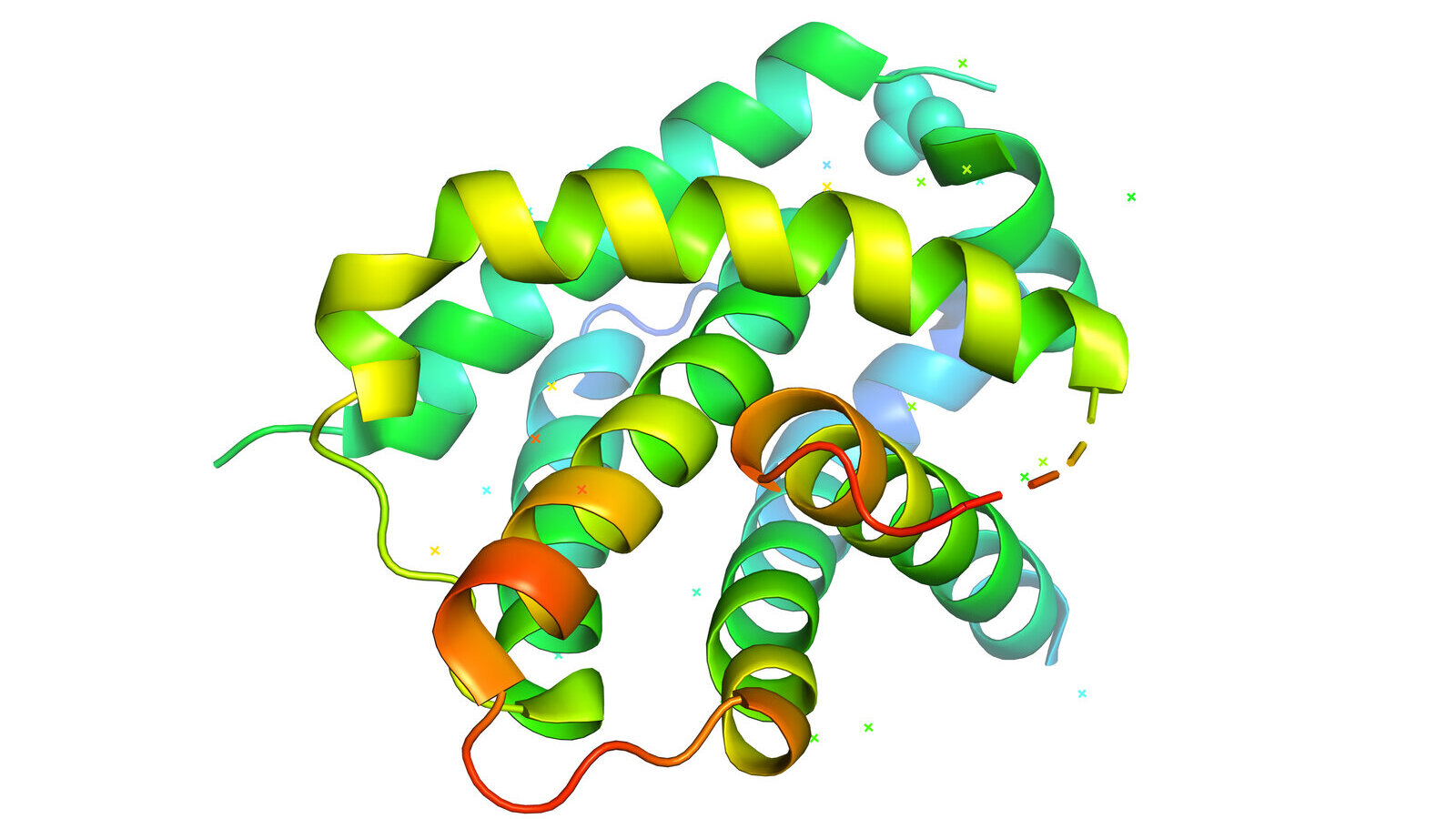
AlphaFold 3 predicts how proteins, DNA, RNA and drug-like molecules fit together. That is a real advance. A predicted shape is still a starting point, not a finding.
Saleh Ramezani, PhDNovember 19, 2025
A 2024 study found that AI-written lay summaries made scientists look more trustworthy in one experiment and helped readers follow the science in another. Clear writing still has to be checked for accuracy.
Saleh Ramezani, PhDOctober 24, 2025
A large 2024 study found expert reviewers rated AI research ideas as more novel than human ones. Novel is a good start, but it is not the same as worth testing.
Saleh Ramezani, PhDSeptember 16, 2025
