Learn
The science behind the headlines
Evidence-based articles on medicine, AI, how research works and how science gets published. Every factual claim links to its source.
Search and filter
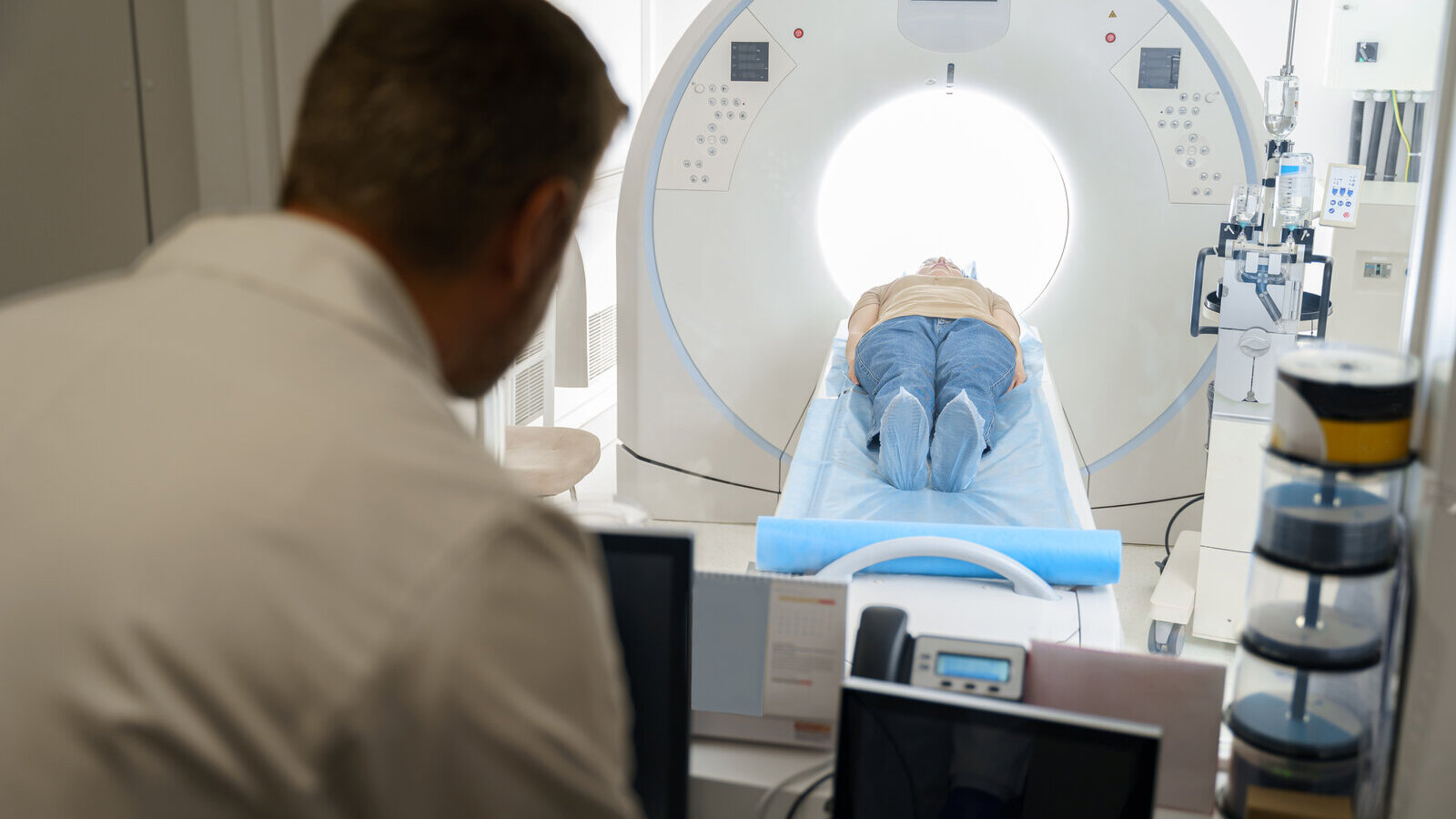
A CT scan gives more radiation than a regular X-ray. How much more depends on the scan and the person, and the risk is small but uncertain.
 Saleh Ramezani, PhDJuly 24, 2025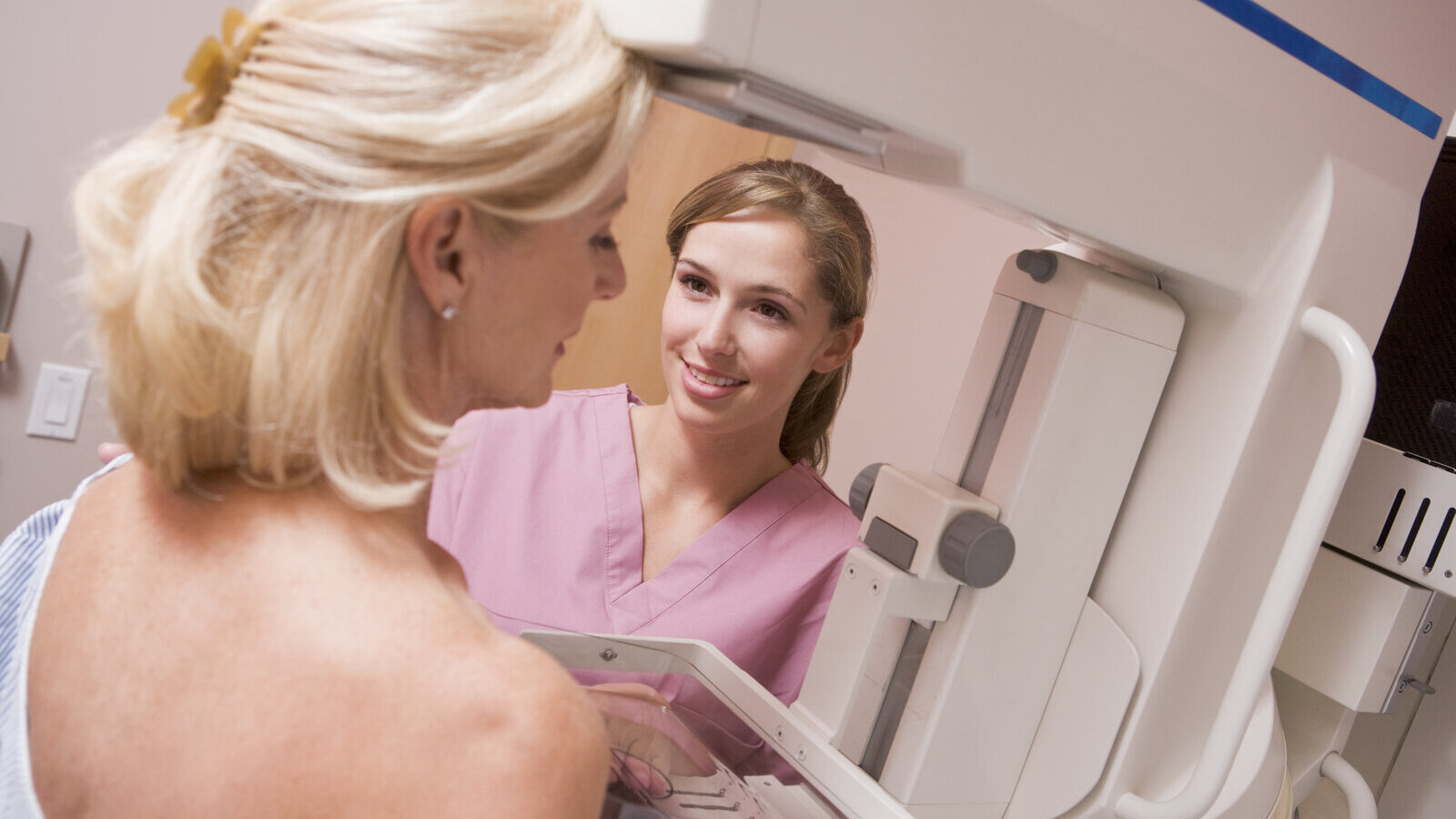
Some cancers found by screening would never have made a person sick. This is called overdiagnosis. It is real, it is hard to see, and it does not mean screening is useless.
Saleh Ramezani, PhDDecember 17, 2024
A famous joke study found that parachutes did not work. The punchline teaches the most useful question you can ask about any medical headline.
Saleh Ramezani, PhDJune 11, 2024
Health headlines love percentages. Here is how to turn a 20% lower risk into real people, using a big 2023 heart trial and a 1995 pill scare, with three plain questions you can ask about any risk.
Saleh Ramezani, PhDApril 25, 2024
A very good test can still be wrong most of the times it says "positive." The reason is simple arithmetic about how rare a disease is.
Saleh Ramezani, PhDMarch 7, 2024
Learn how to read scientific papers effectively. This guide breaks down key sections and offers strategies for understanding complex research.
 Tristen Tellman, PhDJanuary 16, 2024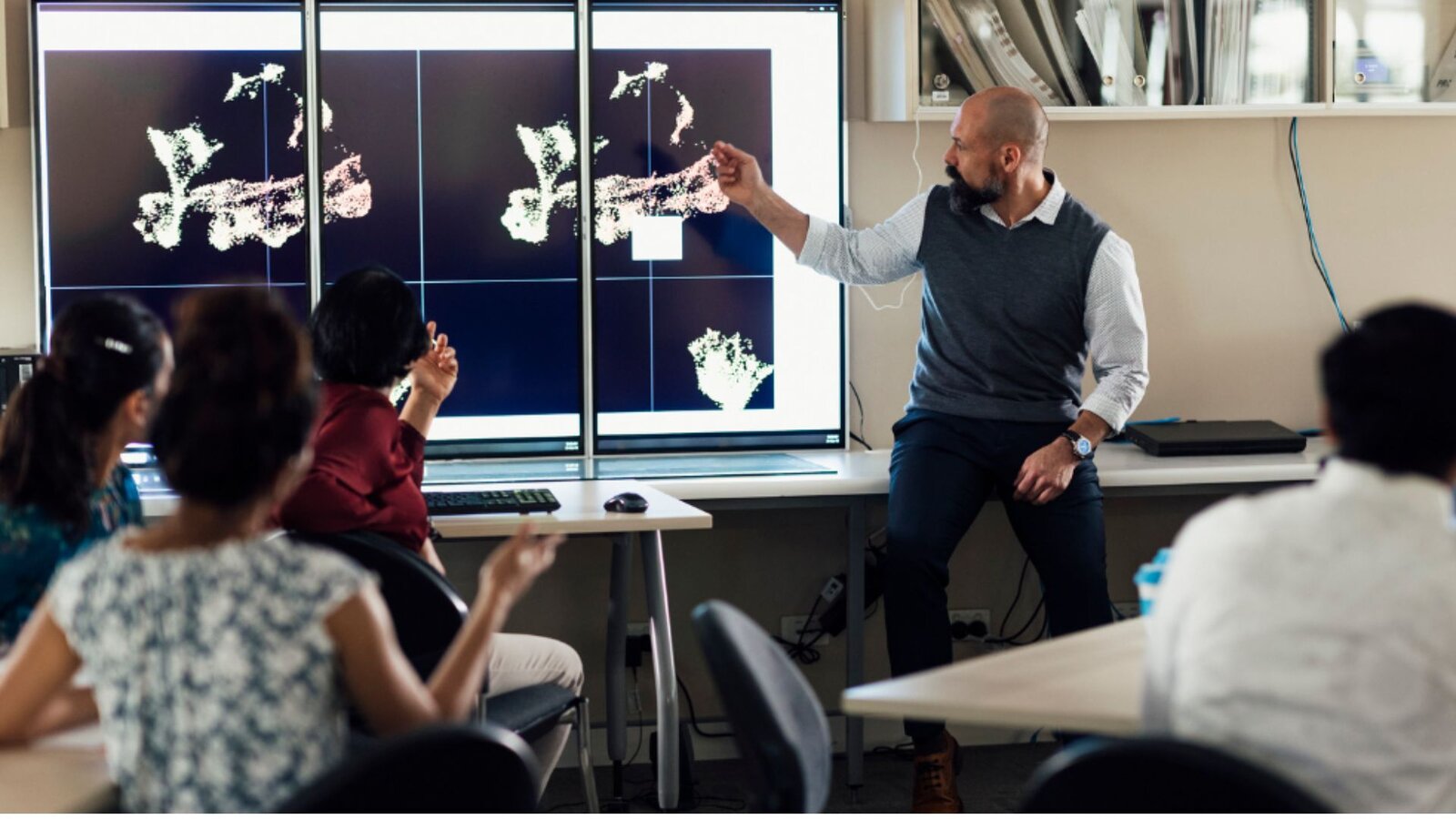
A good talk helps the audience understand the question, follow the evidence and remember why it matters. Research on slides and plain language shows which habits help most, and where the evidence runs thin.
Saleh Ramezani, PhDDecember 10, 2023
Some journals charge scientists to publish but skip the expert checks they promise. Here is how they operate, how big the problem is, and how to tell a trusted journal from a fake one.
Saleh Ramezani, PhDNovember 24, 2023
Science gets things wrong. What makes it different is that it has ways to find its own mistakes. Here is how that works, with real cases, and where it still falls short.
Saleh Ramezani, PhDSeptember 14, 2023
