Learn
The science behind the headlines
Evidence-based articles on medicine, AI, how research works and how science gets published. Every factual claim links to its source.
Search and filter
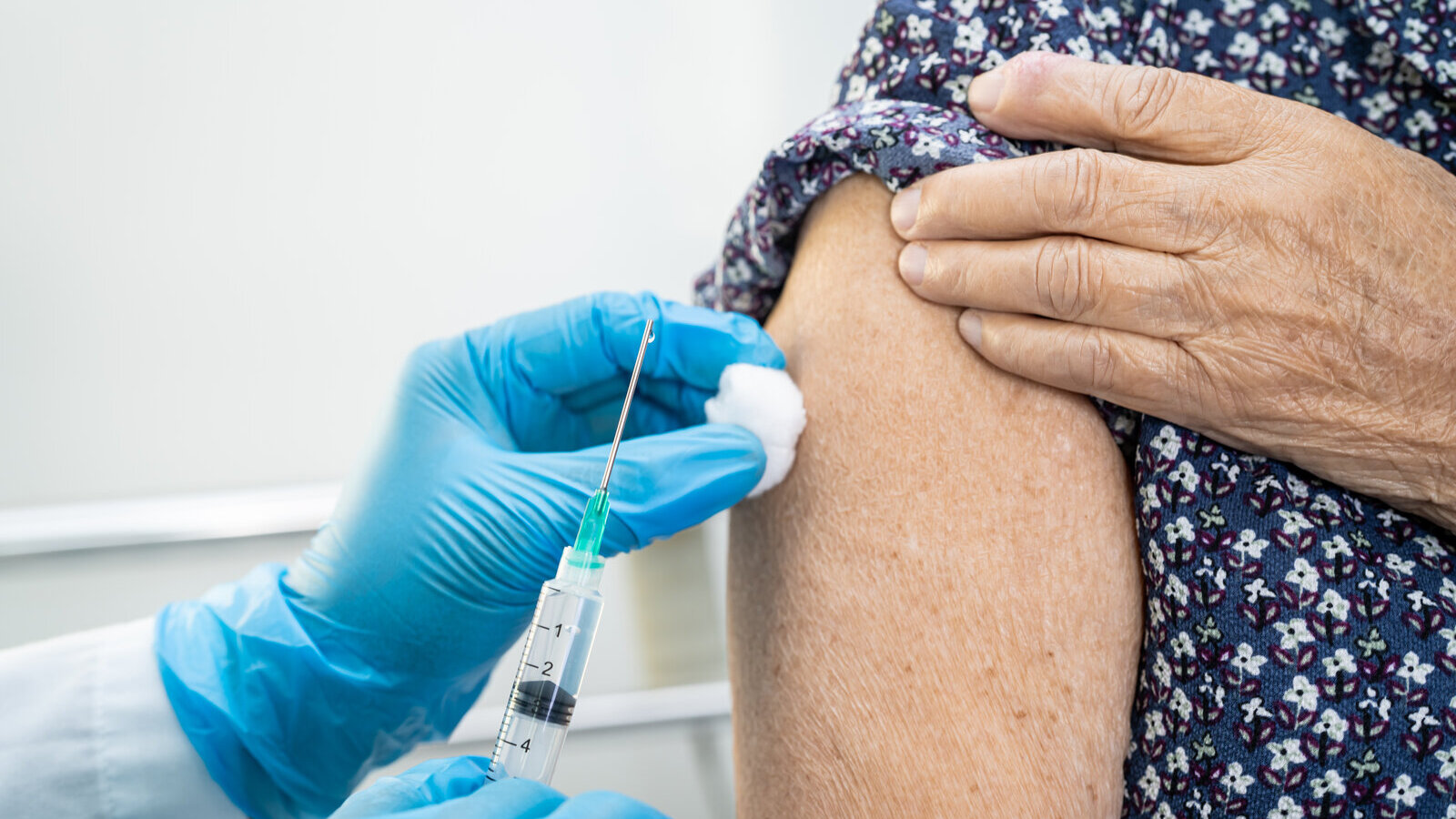
A birthday cutoff in Wales created an unusual test of the shingles vaccine. People who could get the shot were diagnosed with dementia less often. Here is why this study is stronger than most, and where it still falls short.
 Saleh Ramezani, PhDSeptember 4, 2025
A 2024 checklist for medical imaging AI quietly asks the questions a headline AUC skips: who was tested, where, how trustworthy the numbers are, and who benefits.
Saleh Ramezani, PhDAugust 25, 2025
A large 2025 trial randomly assigned colon cancer survivors to an exercise program with a coach. Fewer of them had their cancer return or died. Here is what the numbers mean, and who they apply to.
Saleh Ramezani, PhDAugust 7, 2025
A 2024 Nature Perspective argues that AI can make scientists feel they understand more than they do. The fix starts with knowing the assumptions behind a fluent answer.
Saleh Ramezani, PhDMay 27, 2025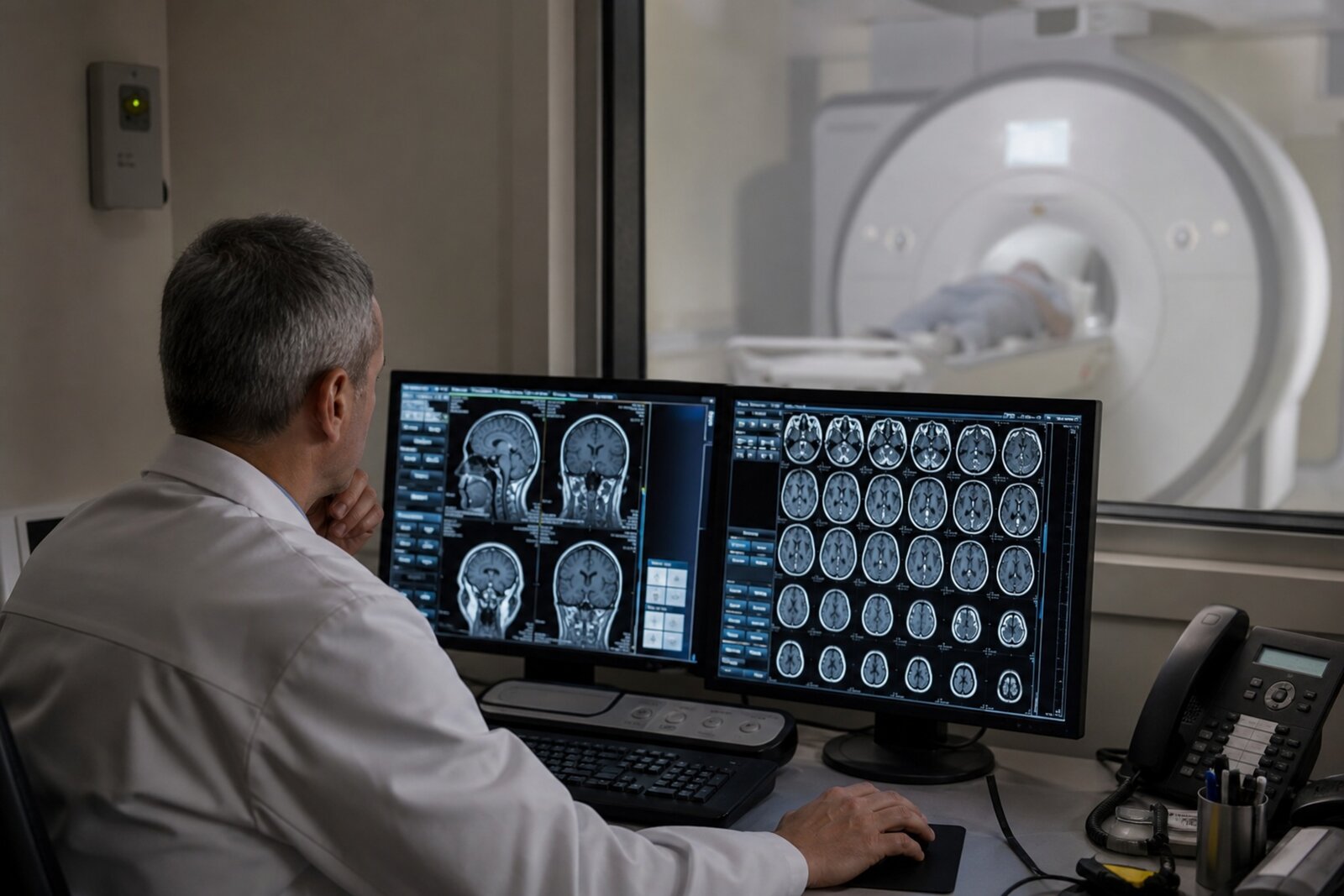
When one patient's scans end up in both training and test data, a medical imaging model can look far better than it is, and nobody has to cheat.
Saleh Ramezani, PhDApril 4, 2025
A December 2022 Liver-Chip study reported strong results on one defined job. The useful question is what a model is validated for, not whether it replaces animals.
Saleh Ramezani, PhDMarch 5, 2025
Nature's 2023 postdoc survey found more optimism than in 2020, alongside familiar pressures. I think the healthiest reading is that a science career has many homes.
Saleh Ramezani, PhDJanuary 31, 2025
A 2024 study estimated how much AI conference review text was reshaped by ChatGPT. The real question is where tidying words ends and handing off judgment begins.
Saleh Ramezani, PhDJune 24, 2024
An April 2024 update to a reporting guideline asks prediction model papers to show their work. A strong result means little when readers cannot see how it was made.
Saleh Ramezani, PhDMay 17, 2024
A journal openly invited clinical trials that missed their main goal. That is welcome, but only a well designed "no" tells anyone something useful.
Saleh Ramezani, PhDApril 12, 2024
In 2023 Crossref opened up the Retraction Watch database, creating what it called the largest open database of retractions. A retraction only works if the warning follows the paper to where people read and cite it.
Saleh Ramezani, PhDJanuary 9, 2024
Misinformation and disinformation threaten science. Learn the difference and how to fight back for truth and reliable knowledge.
 Tristen Tellman, PhDNovember 5, 2023
