Learn
The science behind the headlines
Evidence-based articles on medicine, AI, how research works and how science gets published. Every factual claim links to its source.
Search and filter

A very good test can still be wrong most of the times it says "positive." The reason is simple arithmetic about how rare a disease is.
 Saleh Ramezani, PhDMarch 7, 2024
In 2023 Crossref opened up the Retraction Watch database, creating what it called the largest open database of retractions. A retraction only works if the warning follows the paper to where people read and cite it.
Saleh Ramezani, PhDJanuary 9, 2024
Some journals charge scientists to publish but skip the expert checks they promise. Here is how they operate, how big the problem is, and how to tell a trusted journal from a fake one.
Saleh Ramezani, PhDNovember 24, 2023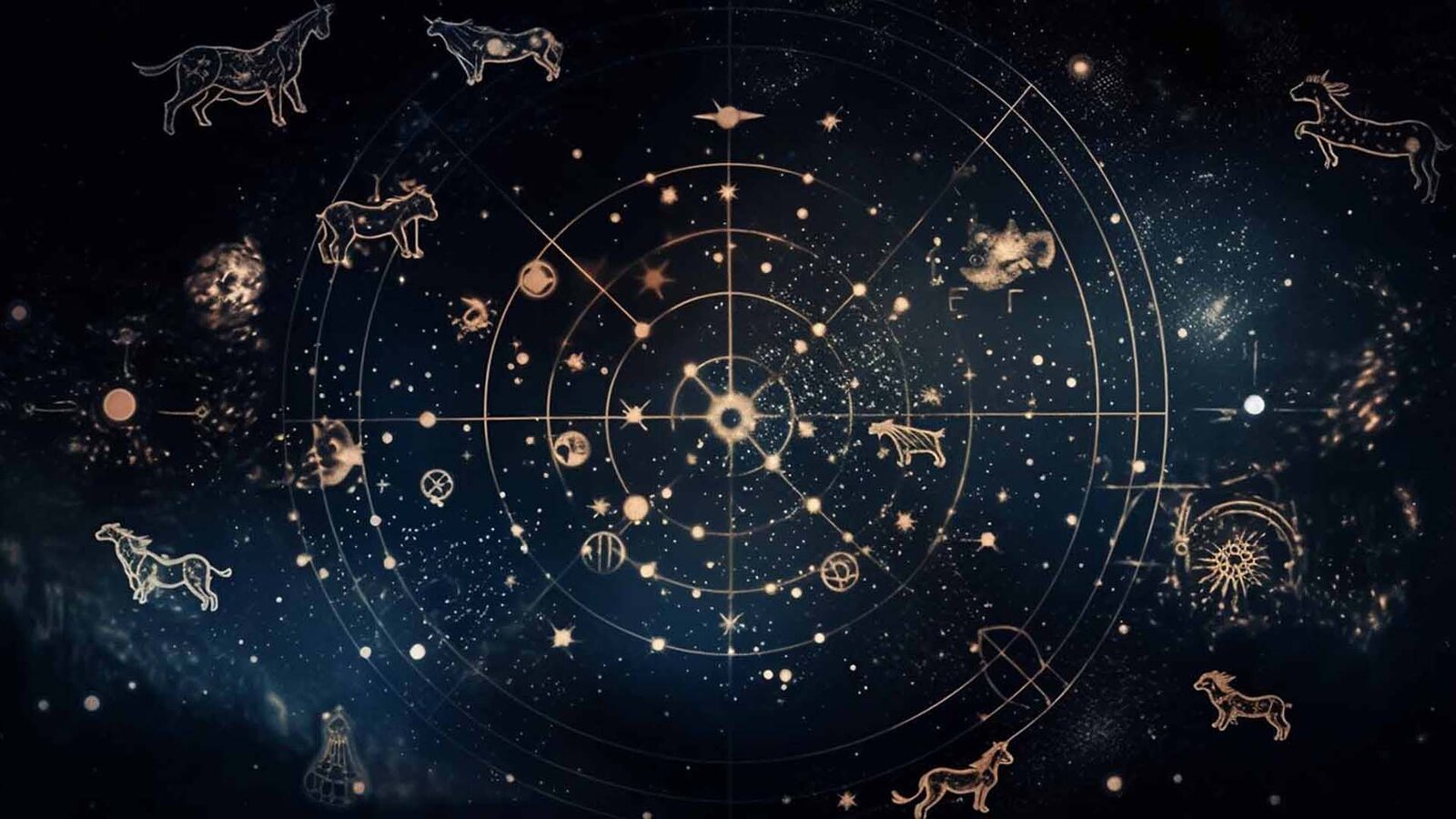
A claim is scientific when a fair test could prove it wrong and its supporters accept the result. This post looks at how astrology and homeopathy did when they were tested, gives a short checklist, and explains where the line gets blurry.
Saleh Ramezani, PhDOctober 16, 2023
Science gets things wrong. What makes it different is that it has ways to find its own mistakes. Here is how that works, with real cases, and where it still falls short.
Saleh Ramezani, PhDSeptember 14, 2023
Can poor sleep in middle age lead to dementia? A landmark 30-year study suggests a link between short sleep and increased risk.
Saleh Ramezani, PhDJune 27, 2021
