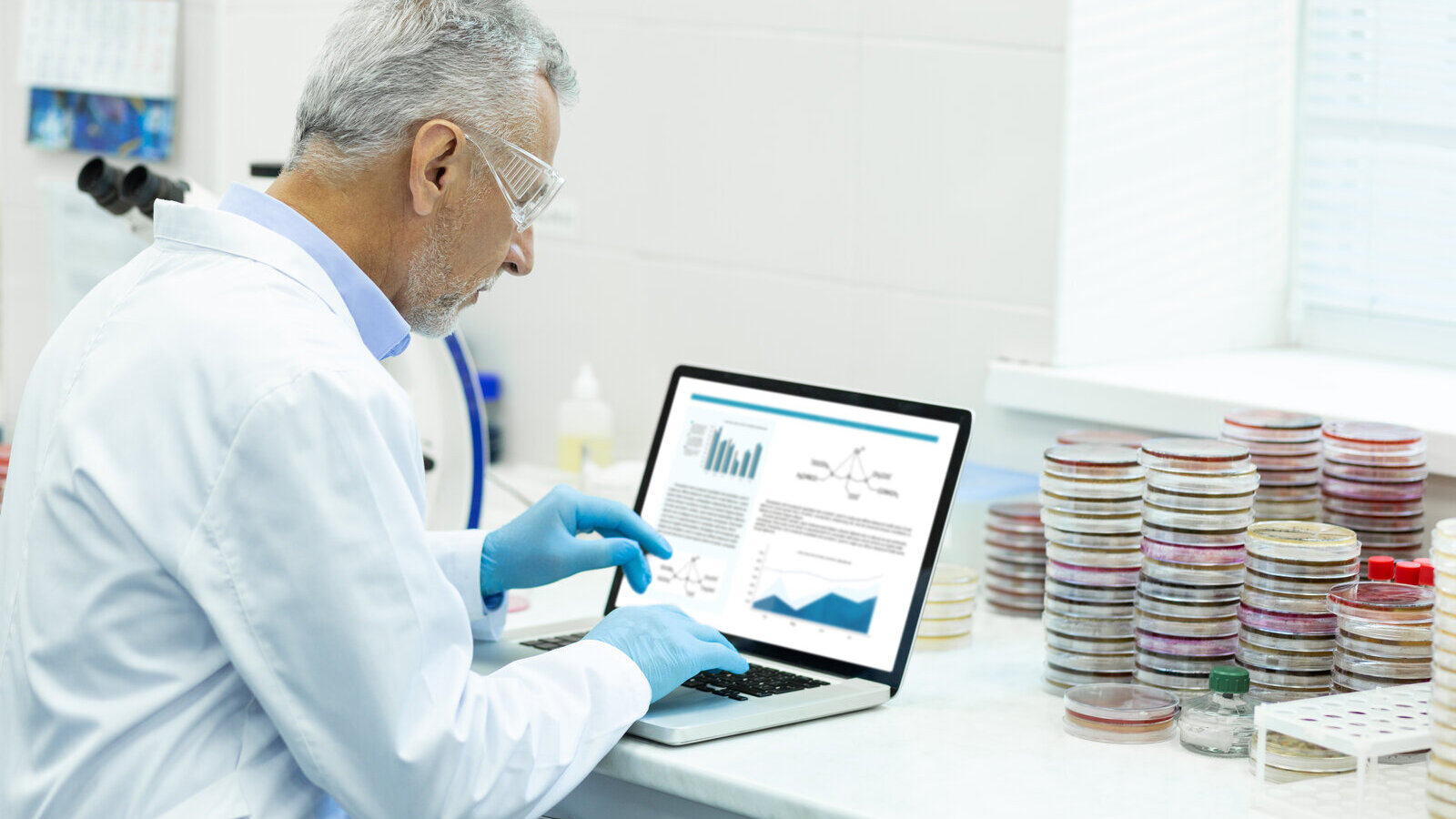
In June 2026, bioRxiv's parent openRxiv began testing an interactive way to read preprints. It is an experiment, and I think it asks the right question.
 Saleh Ramezani, PhDAugust 21, 2026
A 2023 survey put numbers on the extra hours, rejections and skipped conferences that come with doing science in a second language. Journals and conferences can shrink that cost.
Saleh Ramezani, PhDMay 22, 2026
In 2022, eLife announced it would stop saying yes or no to papers after review. Public reviews and a short verdict on the evidence now travel with the paper instead.
Saleh Ramezani, PhDNovember 20, 2024
In October 2024 a scholarly society told members that, according to its publisher, its journal content was being made available for AI training. The deal may be lawful. Authors still deserved to hear first.
Saleh Ramezani, PhDNovember 14, 2024
Each year, a list of the world's top 2% of scientists makes the rounds. Its own authors call it a measure of citation impact and warn against leaning on it.
Saleh Ramezani, PhDOctober 30, 2024
A 2023 experiment showed ChatGPT makes professional writing faster. Science should be careful about treating that speed as progress.
Saleh Ramezani, PhDOctober 7, 2024
A 2024 Nature study showed AI models degrade when trained on their own output. Science is not collapsing, but it should start keeping track of what humans wrote.
Saleh Ramezani, PhDSeptember 27, 2024
A 2024 dataset of publisher price lists shows what open access can cost authors at list price. Free reading is a real gain, but the fee should not decide who gets published.
Saleh Ramezani, PhDAugust 14, 2024
In 2023 the whole editorial board of NeuroImage quit over fees and started a rival journal. Elsevier kept NeuroImage running with an interim board. The reputation was harder to keep.
Saleh Ramezani, PhDJuly 11, 2024
